Rebels, Rides, and Revelations
Devils Island on a Yellow Moped
Up until an unfortunate stir-fry incident involving his pet’s love of peppers, my friend Matt had a spider monkey that his mom carried around the house in a little pouch attached to her hip. She wrapped him in a tiny diaper to curb his habit of taking his daily constitutionals wherever he pleased.
Buzzing in the walls behind their toilet was a giant hive of Africanized “killer” bees. I still remember the sound when they tore out the plaster to remove the hive, and the taste of the best honey I’ve ever had. Perhaps the fear of dying heightened my sense of taste.
Matt’s dad, a Vietnam vet, had a mop of curly brown hair and a Tom Selleck mustache. Once, he lopped the head off an anaconda slithering across their front yard, looking to make a quick snack of their pet goat. He drove a beat-up silver VW Rabbit with rust spreading across the hood like eczema from too many trips to their new home in the Amazon rainforest. There was only so far you could take a car into the bush before securing more nimble transportation, and that’s where my dad comes in.
On my parents’ return trip for my aunt’s funeral, they acquired a few items of value from America, including a canary-yellow Honda moped, which locals called a bromfiets—or bromer for short. When my dad tried registering the moped for a license, it was denied on account of its electric starter and lack of pedals, making it ineligible for moped classification despite being 49cc.
Word reached Matt’s dad about our new ride, and he made his way over to our house for a looksie. When he arrived, he seemed as interested in our empty shipping crate for an island outhouse as he was the moped. He offered up a trade: his old, decrepit but functional 49cc moped (with pedals) for Dad’s brand-new Honda, and Dad would throw in the crate for free. By the time they strapped the eight foot wooden box to the roof, the Rabbit resembled a Hasidic rabbi wearing a giant shtreimel on Shabbat.
Dad, always willing to lend a hand with some plumbing to a fellow brother in Christ, offered to help them get settled in and set up the outhouse. He thought my sister and I might enjoy tagging along. Perhaps it could be of some educational value and get us out of mom’s hair. Although, in retrospect, taking children to what had recently become a rebel base crawling with mercenaries was probably not going to earn Dad any Parent of the Year awards.
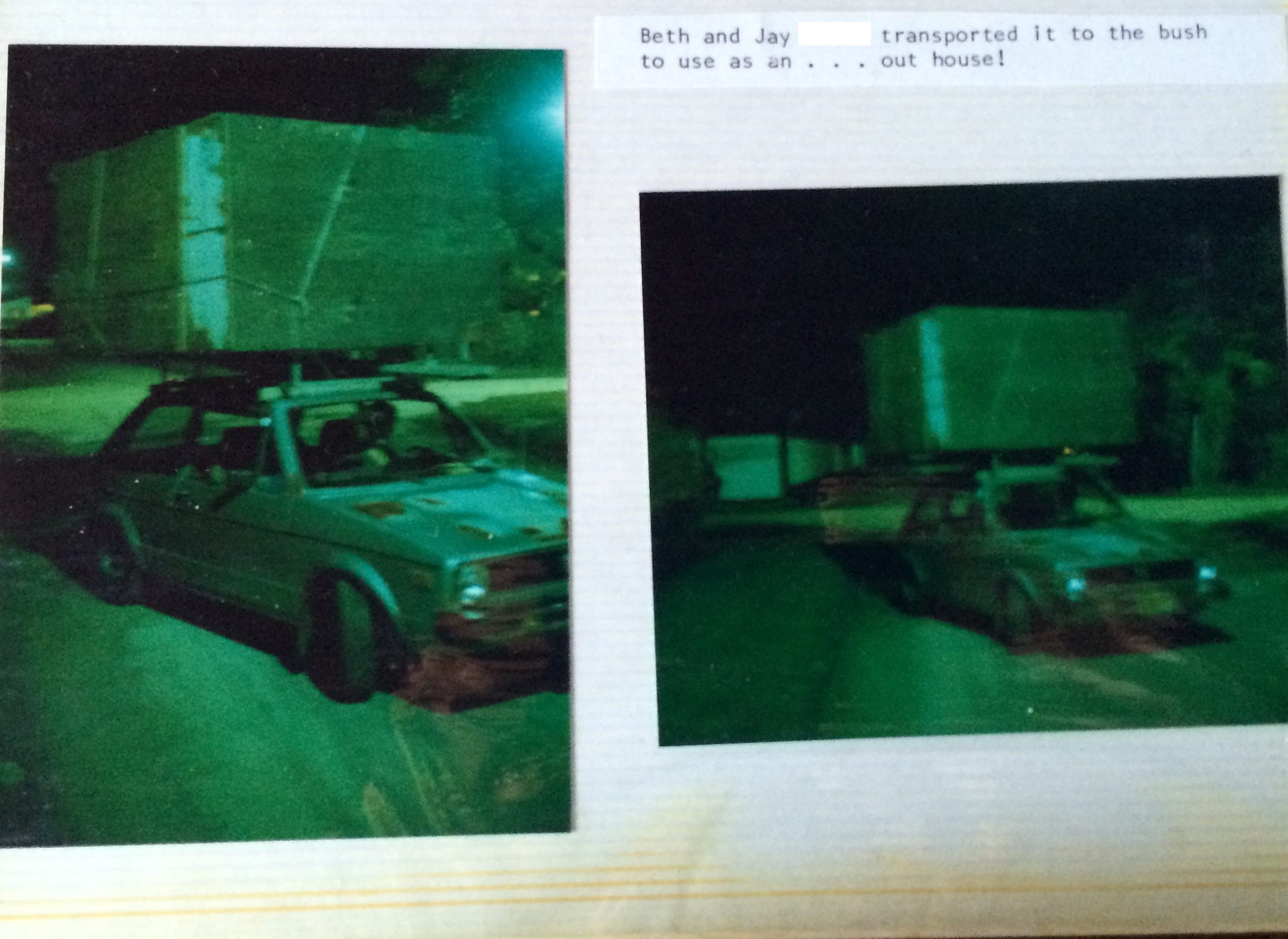
We drove our earthy green Renault 90 kilometers east to Moengo, the small village on the Cottica River where the Black Robin had performed his first bank robbery. On the mission field, parents work so hard to shield their children from “the world” that they raise kids unaware and underprepared for the harsh realities ordinary people face—realities of poverty, war, and daily violence. Despite living in a developing country in the midst of a Civil War, I was more fascinated by the adventure of our journey than aware of its dangers. After the civil war began, the army slaughtered innocent women and children of Moengo in an attempt to pressure and root out Ronnie Brunswijk. The town had only about 3,500 residents. Many of them worked as miners like my mother’s family. After the genocide began, many fled to French Guiana or Paramaribo.
We continued on another 40 kilometers until the bumpy dirt road ended, where we caught a primitive wooden ferry and finally a dugout taxi powered by a 40 hp motor headed downriver toward Langatabbetje. While I marveled at the journey, Matt’s dad had gone ahead of us, and I wondered how he managed to float the crate and moped downriver to the island.
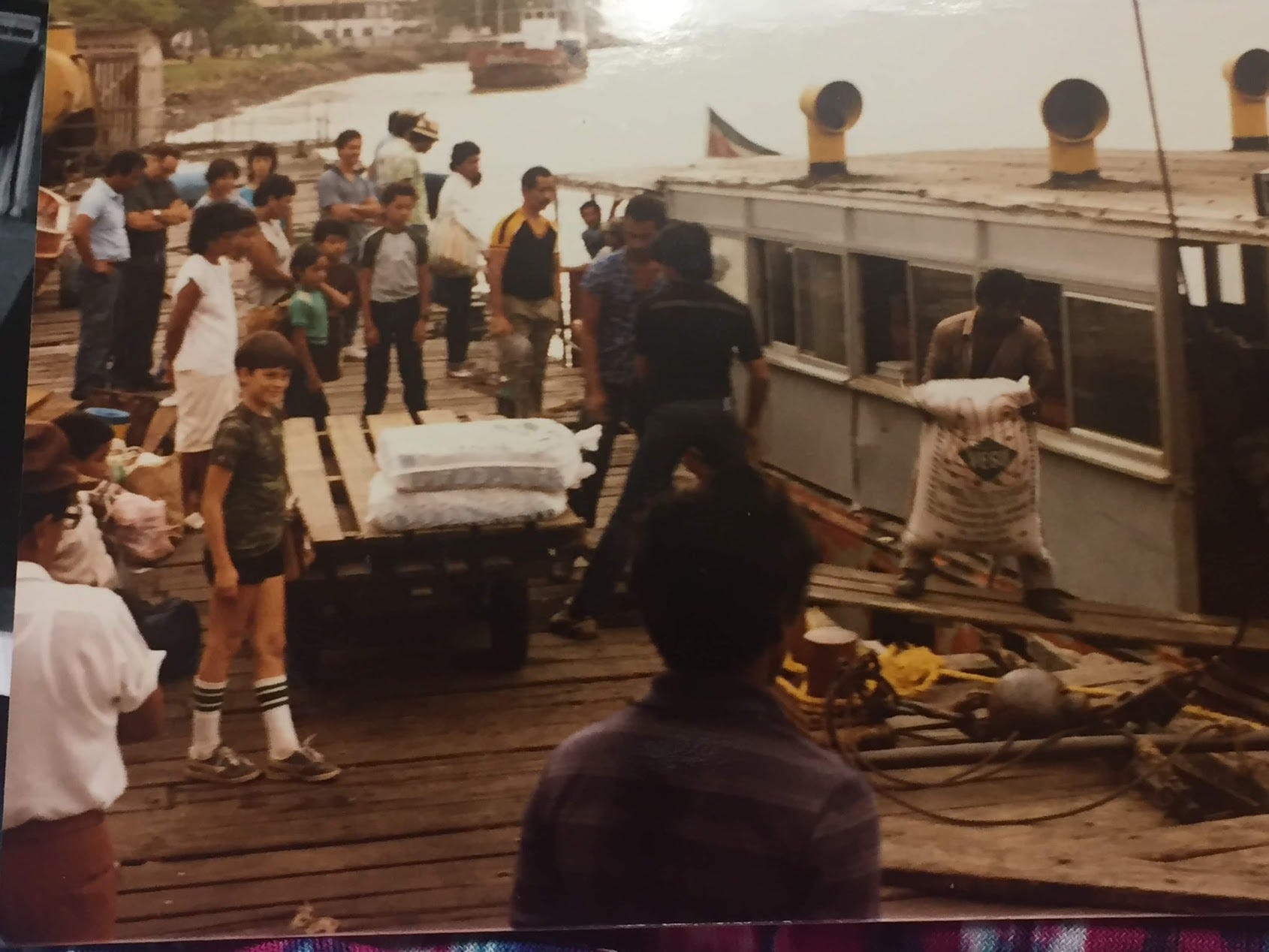
On the way, we met a guy with impeccable English. Dad loves chatting up strangers, so he asked him where he’d studied.
“Amsterdam,” he said. “I got my engineering degree there.”
“And you chose to come back here?” Dad wore his incredulity on his sleeve with a set of nationalistic cufflinks.
“This is home,” the man said. “I’ve got everything I need: a machine that helps me pan for gold, a generator, and a good boat. What more could a man want?”
That assessment of the good life left Dad speechless.
We passed a site where locals ground up a potent root and sprinkled it in the water, paralyzing the fish until they floated downstream where they could be easily caught.
Another passenger told the story of the water mamba, a sea monster off the shores of Langatabbetje that grabbed babies who ventured too far into the river and dragged them to a watery grave. Someone attempted to top that story by describing a recent alligator hunt where they’d tied a monster gator to a tree, only to come back the following morning to find their catch coiled in the death grasp of a giant anaconda.
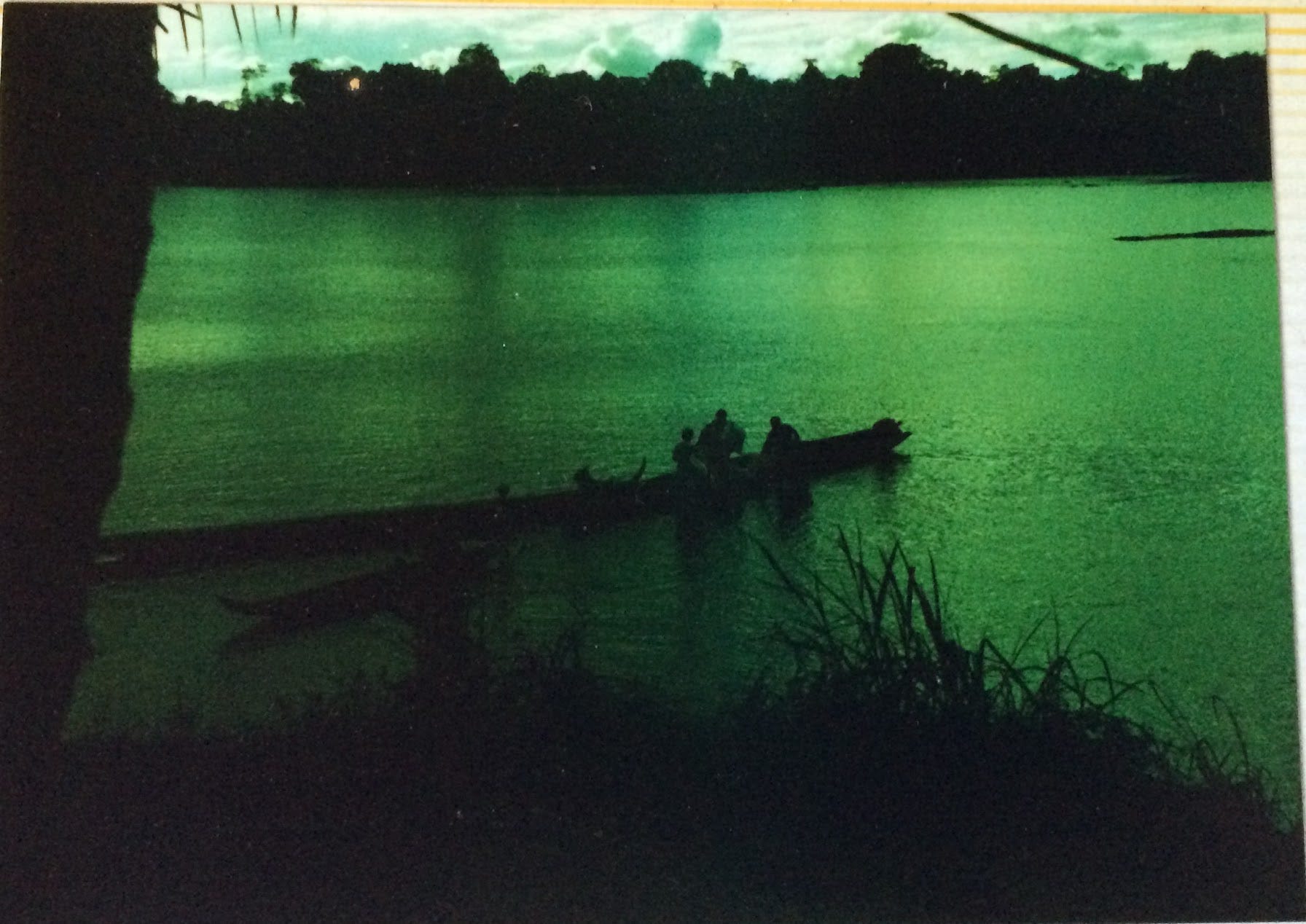
As we continued downstream, we passed the remains of one of Bouterse’s newest toys—a downed WWII helicopter, a rental on loan from his friends in Brazil. Ronnie’s rebels and mercenaries had downed the chopper from the riverbanks with one of the few shotguns they had in their arsenal, killing the pilot who’d flown too low to the ground.
Penta and his mercenaries recently upgraded the resistance’s arsenal, fabricating Molotov cocktails made from old LP gas canisters filled with nails, bolts, and gasoline, which they would load into stolen Cessnas before pushing out the open doors when flying over Bouterse’s military outposts. Aiming these improvised gas tank bombs out of a moving plane proved more of an art than a science, and often the “missile” exploded like a giant cherry bomb dropped into the river, killing more piranhas than people.
Next, we passed a sunken patrol boat. Bouterse had acquired a .50 caliber Browning “Ma Deuce” machine gun to patrol Suriname’s rivers. He instructed his men to weld the heavy artillery to the hull of a riverboat, just like the mercenaries in Code Name: Wild Geese. But a failure to estimate the prolonged effects of the non-stop vibration from the gun’s considerable recoil compromised the welds, ripping a hole in the bottom of the boat and sending the vessel and its gun to a watery grave.
The further we traveled, the more surreal the sights became. The riverbanks were littered with relics of the conflict—burnt-out jeeps, destroyed bridges, and the occasional rusting barrel. Each piece of debris told a story of its own, hinting at the chaos that had once raged through this now seemingly tranquil jungle.
Despite the remnants of war around us, the jungle itself was alive and vibrant. Parrots squawked from the treetops, and monkeys swung from branch to branch, seemingly indifferent to the human conflicts below. The dense foliage and towering trees made it easy to forget the world beyond, creating an almost hypnotic sense of isolation.
As we approached Langatabbetje, the landscape began to change. The river widened, and small clusters of huts appeared along the banks. The people here seemed resilient, their lives continuing in the shadow of the ongoing conflict. Women hunched over, scrubbing their laundry in the river. Children played near the water’s edge, their laughter mingling with the sounds of the jungle, a stark contrast to the grim tales we’d heard on our journey.
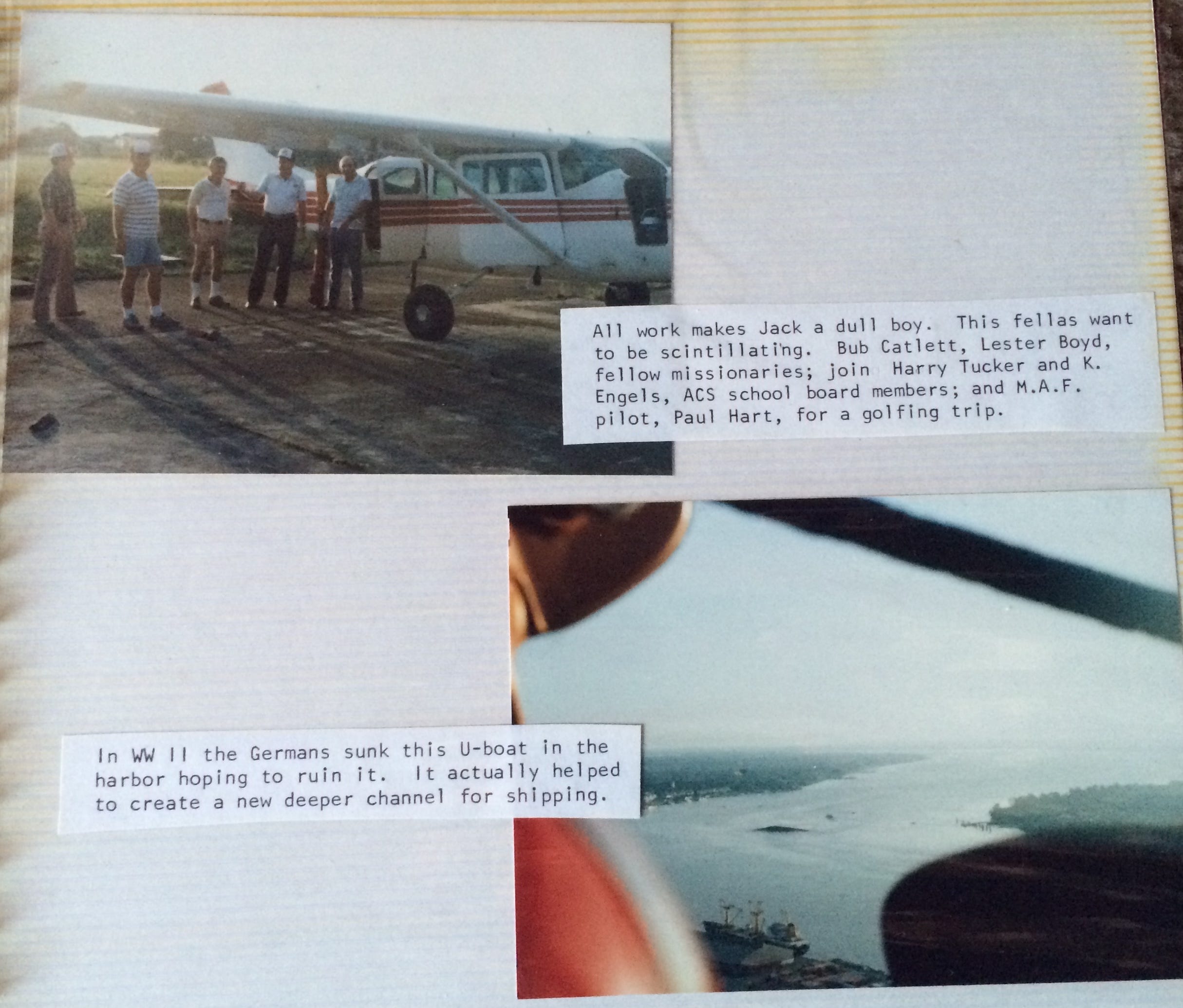
This wasn’t Dad’s first time flying in the jungle. When Bouterse released our neighbor Mr. Rogers from Fort Zeelandia, he resumed his job as a missionary pilot, flying medical supplies to Suriname’s interior for the Moravian Church. Mr. Rogers was sponsored by First Federated Church in Des Moines, IA, and, like my dad, was a graduate of the 1970s Moody pilot program.1
Dad had flown with members of Mission Aviation Fellowship (MAF) on other occasions, snapping aerial photographs that we still have in our photo album. Considering Dad’s memories of embassy personnel with large crates heading to the jungles and what we now know of other humanitarian cover organizations supplying the Nicaraguan Contras, we are left with questions about the full nature of those supplies.
On one of Mr. Rogers’s later flights into the jungle, he was allegedly carrying a doctor, a nurse, and medical supplies (a fact disputed by Brunswijk who said he was alone2). When he landed his Cessna at DjoeMoe, he and his passengers were confronted by a ragtag group of a dozen men with guns and knives—the Jungle Commandos. They hijacked his Cessna U206F Stationair3, which, coincidentally, was the same model plane under investigation by the FBI in the Tommy Denley affair, involving a CIA pilot at the University of Michigan who offered aerial photography and piloting lessons in Tennessee for cocaine smugglers.4
Black Robin Hood needed something faster than a dugout pirogue (canoe) to get to his second base camp downstream on Stoelmanseiland, at the confluence of the Marowijne and Tapanahoni rivers, deep in rebel territory, as well as to attack army posts and state-owned industries. Given that the Surinamese army only had four propeller-driven aircraft, adding this to the Twin Otter he’d stolen from Suriname Airways meant Ronnie was halfway to leveling the playing field.
“Ronnie asked me if I wanted a can of pop and some rice,” Rogers said. “He treated me like a guest. He told me he’d only need me a couple of days.”
According to newspaper reports, Brunswijk allowed Rogers to radio home to his wife, Sylvia, in the capital city of Paramaribo. Then he was shown to a little house and given the run of the island.
“The next day, Ronnie said he’d need me a couple of weeks… that his hope was that within a week, two weeks at most, I could teach him to fly,” Rogers said.
He said that Brunswijk apparently wanted to fly to move supplies and men around the country.
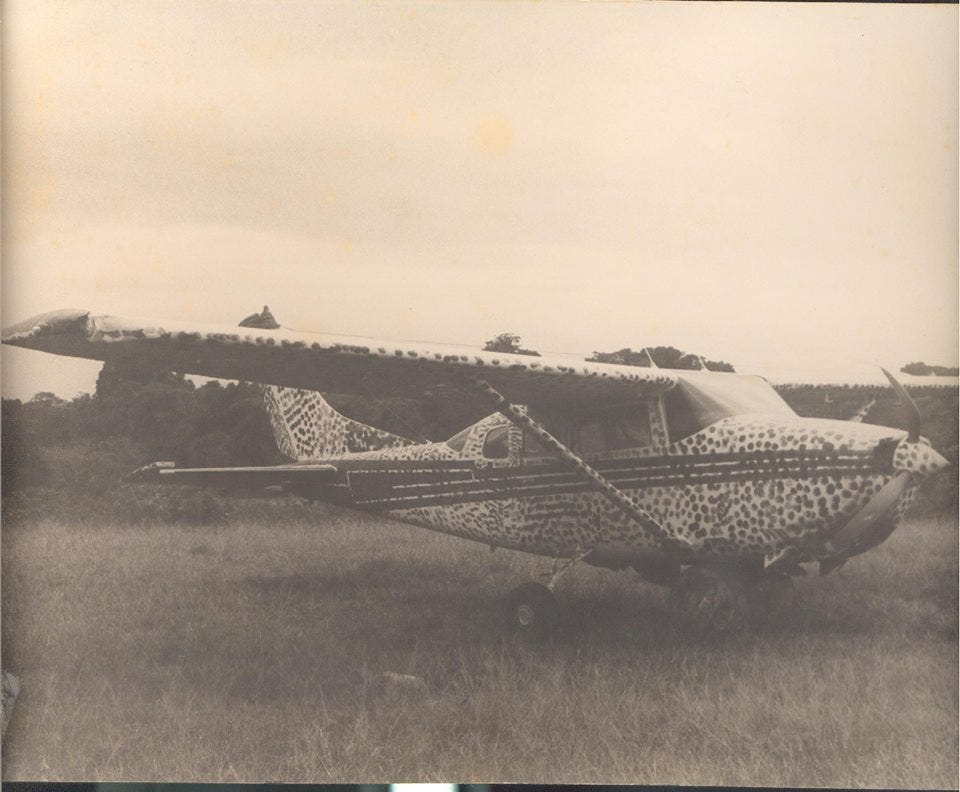
Over the next week, Rogers said, he flew with the young rebel every day, trying to get him to watch his altitude and correcting his airspeed. Rogers said his student landed nine or 10 times, and never without help.5
“Yeah, yeah, man. I got it, I got it.” What he really wanted to do was buzz the airstrip and impress the men. Off he went, climbing into the cockpit and waving off Mr. Rogers’s further instructions.
There was a slight problem—Mr. Rogers hadn’t finished the lesson on landing a plane. When Ronnie tried putting her down, he skipped a few times and skidded straight into the Marowijne.6
A year later, after some mediation between MAF and the governments of Suriname and French Guiana, the missionaries used two pirogues to raise the plane from the river bottom. They hoisted the front wheel onto one pirogue and, with the help of the missionaries, floated the Cessna down the river to French Guiana. Once there, they dragged the soggy plane onto the riverbank and put it back in action.789
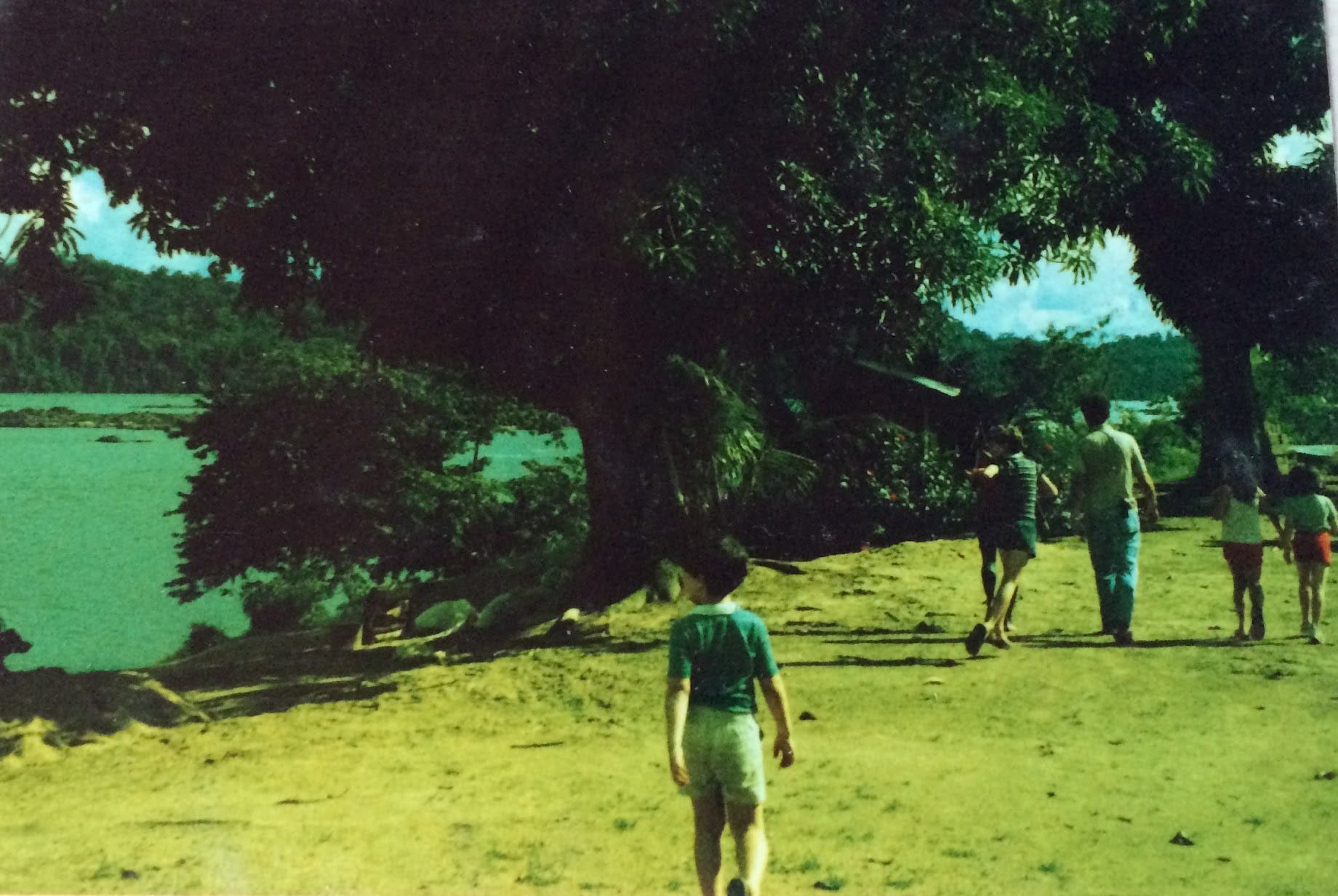
Unbeknownst to me, when we finally arrived at the island, alligators weren’t the only things hunted on Langatabbetje. Murderers and rapists sought refuge from the law among Ronnie’s poorly armed resistance fighters and the local Paramaccan people. The sheer number of outlaws earned the island the nickname “Devil’s Island.”
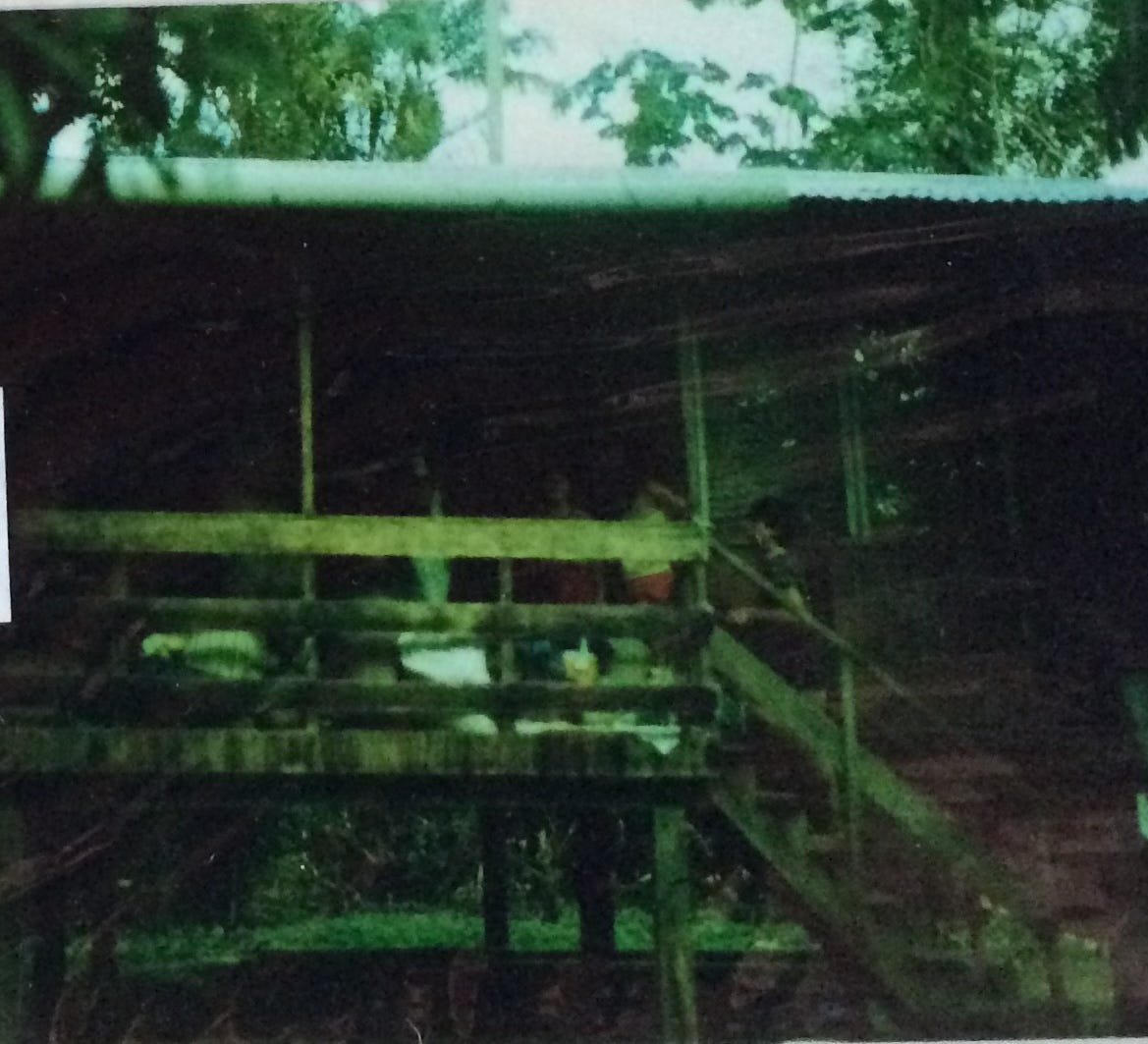
It was an odd place for Matt’s dad to raise a family, but perhaps outlaws needed Jesus too. The Jungle Commandos wore armbands blessed by local voodoo priests, believing these protective talismans made them invincible to bullets and the new plague called AIDS. We slept draped in mosquito nets to protect us from malaria-laden mosquitoes, with water mambas lurking nearby. It was fortunate that Matt’s dad had loaded up our packing crate, otherwise going #2 on Langatabbetje required a shovel, a flashlight, and a good book. It was tough to relax squatting in the jungle with the sounds of howler monkeys and who knows what else chirping in the background.
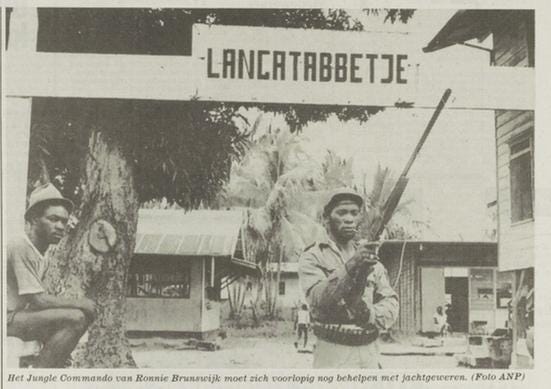
Despite being in the midst of armed conflict, surrounded by murderers, none of it bothered me. I remained blissfully unaware of my surroundings, captivated by the sheer adventure of it all. The cascade of shooting stars and the dense band of the Milky Way overhead enchanted me. Years later, I harbored zero doubt as to why Crosby, Stills & Nash wrote an entire song about seeing the Southern Cross for the first time.
I always believed the stress of Suriname had precipitated some of my mother’s changes when we returned to the States. Recently, I asked her about it, and she told me that Suriname, in a strange way, was actually a relief from the stressors of grad school and financial challenges back home. Similarly, I never wanted to leave Indiana, nor did I want my life upended by my mother’s revelations upon our return. When I look back, some of the happiest times of my childhood were in this surreal, magical country. Amidst chaos and civil war, I found peace and happiness, a luxury the people of Suriname seldom experienced.
The memories flicker like a broken reel of film—Dad snapping photographs, the stick of sheets on my sweaty skin, the chop of the water as we cut upstream on the Marowijne on the way home in the jungle. Each scene a fragment of a reality that feels more like a fever dream than actual events. The jungle whispered secrets in the night, truths about humanity and conflict that I was too young to comprehend. Now, as I piece together those fragments, I see a world that was both terrifying and wondrous, a place where innocence and danger danced a perilous waltz under the Southern Cross.
We made it home before Carl Finch and his guerrillas made all roads impassable. Upon our return, attachés at the embassy drew up plans to use our school as a central evacuation site for Americans in the country. Explosives would detonate the base of a large pole that lit our volleyball court to clear room for a landing spot for helicopters in case of an evacuation. Mom packed us all “go” bags, and the military assured us that a battleship would be at the ready if worse came to worst.
At school, duck-and-cover drills were part of the curriculum. Since the embassy was across town, Dad added procedures for temporary housing should worse come to worst. Teachers reviewed evacuation plans and instructed each student which house to go to if rebels overtook the city’s main area.
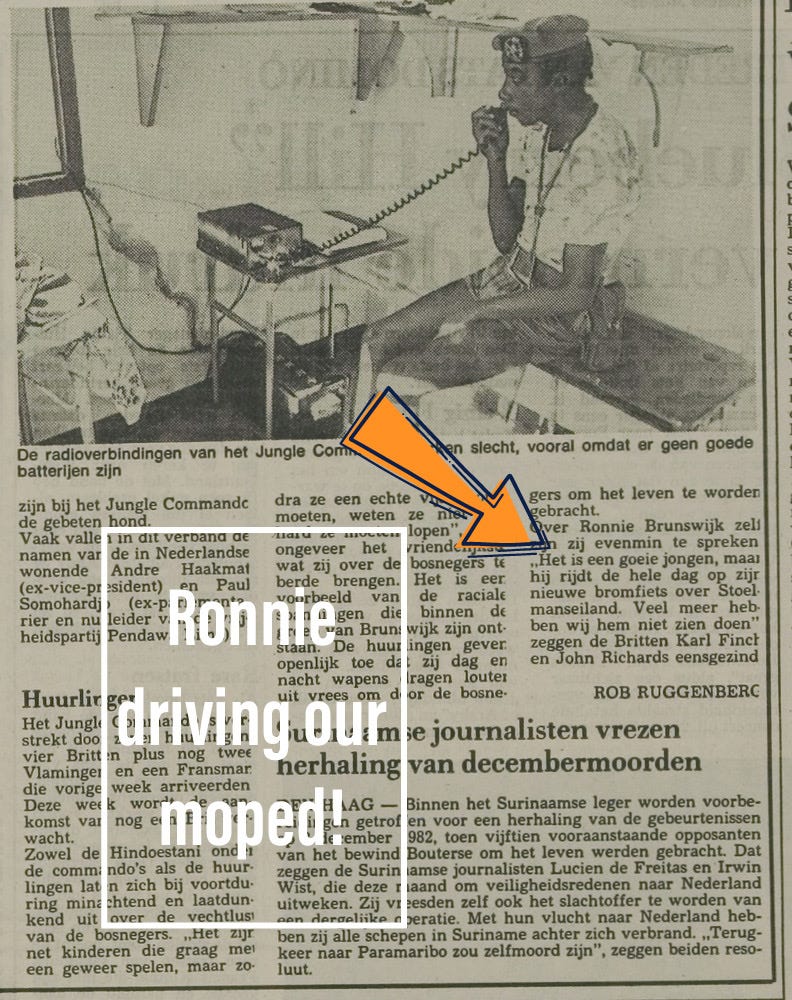
One night, while watching the news, footage aired from Langatabbetje. There, driving around the island as happy as a kid on Christmas morning, was Ronnie Brunswijk, waving and grinning on a brand-new, canary-yellow moped. He traded it with Matt’s dad for an outboard motor, for his canoe to get to the island. I had no idea my friend’s dad knew the Black Robin Hood.
Links
By Matthew Smith: Operation Suriname is a reader-supported publication. To receive new posts and support my work, consider becoming a free or paid subscriber.
Elizabethton Star. “Former Moody Student Captured in Suriname.” November 4, 1987. link to article.
The Telegraph-Herald. “Rebels Release Missionary Pilot.” November 12, 1987.
“ASN Aircraft Incident 29-OCT-1987 Cessna U206F Stationair PZ-NAU,” May 30, 2015. link to article. Elsewhere it was stated to be a Cessna 502, but that does not appear to be a viable Cessna model.
Federal Bureau of Investigation. “Series 4: FOIA Request No. 1632770: Tommy Lynn Denley.” Information Management Division, Federal Bureau of Investigation, May 22, 2024. link to article.
The Telegraph-Herald. “Missionary: Kidnapping Based on Desire to Fly.” n.d. link to article.
The Charlotte Observer. “Rebel Captured Pilot To Learn To Fly.” December 4, 1987. link to article.
“ASN Aircraft Incident 29-OCT-1987 Cessna U206F Stationair PZ-NAU,” May 30, 2015. link to article.
In the wake of this event, and the hacking to death of 10 Kansas City Pentecostal missionaries in Zimbabwe, Chester L. Quarles’ Contingency Preparation Consultants group began to gain more attention. Quarles, the director of the University of Mississippi’s law enforcement program and son of the executive director and secretary of the Southern Baptist Convention Board, founded the organization with the intent to provide anti-terrorism training to missionaries. The group—comprising former F.B.I. agents, law enforcement and defense specialists—found new relevance as they helped prepare and protect missionaries in volatile regions. Quarles’ workshops, inspired by biblical principles and practical security measures, became an essential resource for those continuing their humanitarian efforts in high-risk areas. Source: Kathy Eyre, “American Missionaries Abroad Learn Best Way to Deal With Terrorists,” Schenectady Gazette, n.d., link to article.
The Telegraph-Herald. “Surinamese Rebels Capture Iowa Missionary.” n.d. link to article
Date:
September 2, 2025